
Annual Cable System Health Audit In The UAE: A Structured Approach To Preventing Summer Failures
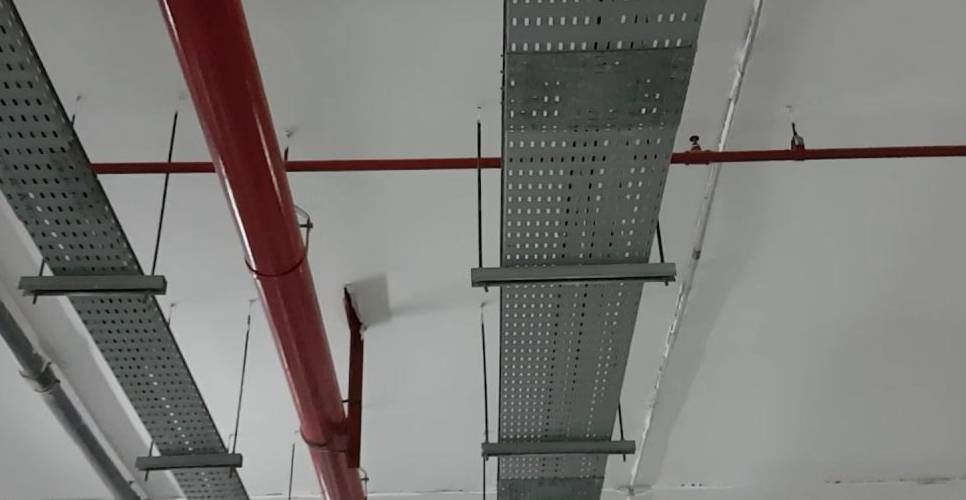
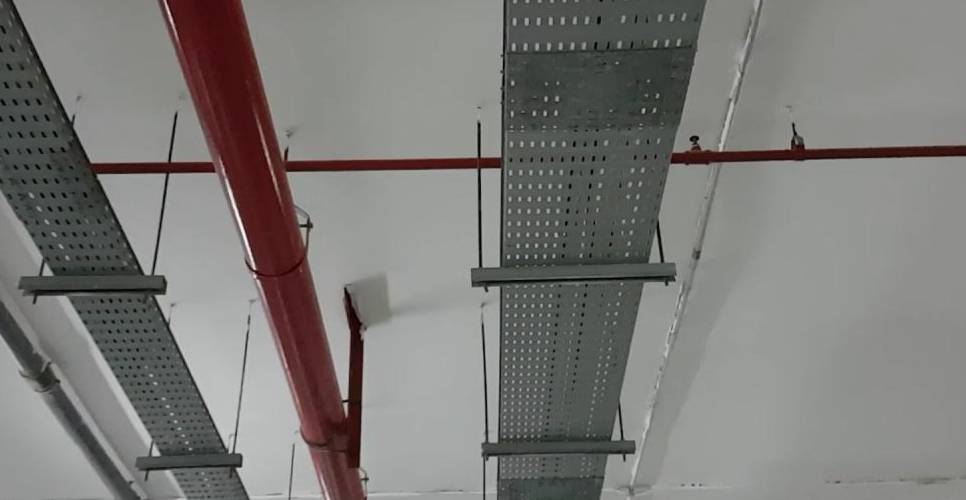
Every year in the UAE, electrical systems enter a predictable period of stress. As temperatures exceed 45°C and cooling loads increase across commercial towers, industrial plants, and mixed-use developments, cable networks operate under sustained peak demand. In this environment, reliability is not defined only by system design but by ongoing condition management. As experienced cable tray suppliers in Dubai, we understand that containment quality and inspection discipline directly influence seasonal performance.
We treat the annual cable system health audit as a technical control measure before summer intensifies. Prolonged heat, airborne dust, humidity, and high electrical load combine to expose weaknesses that may remain unnoticed during moderate seasons. Structured inspection reduces the likelihood of disruption when demand is at its highest.
Why Summer Conditions Demand Preventive Oversight
Electrical conductors naturally generate heat under load. During UAE summers, elevated ambient temperatures restrict the system’s ability to dissipate that heat. The result is prolonged thermal stress on insulation, joints, and support structures.
Repeated expansion and contraction affect mechanical fasteners and tray alignment. Dust accumulation reduces ventilation efficiency. In coastal areas, salinity accelerates corrosion at metallic interfaces. These influences operate gradually, weakening components over time until peak demand reveals the vulnerability.
Operational data across regional facilities shows that most summer-related cable failures originate from conditions that were visible months earlier.
Key Inspection Areas In An Annual Audit
An effective audit evaluates structural integrity, environmental exposure, and electrical performance together rather than in isolation.
Structural Integrity Of Containment Pathways
Cable trays and supports form the backbone of routing infrastructure. Inspectors should confirm:
- Horizontal and vertical alignment
- Absence of excessive deflection
- Secure anchoring to structural elements
- No evidence of metal fatigue or corrosion
In facilities where high-density routing incorporates a mesh cable tray configuration, maintaining correct span support and open airflow clearance is essential to avoid heat concentration. Even minor sagging can restrict spacing and increase surface temperature along bundled cables. Rooftop and semi-exposed installations require additional scrutiny due to direct environmental exposure.
Cable Surface And Insulation Condition
Visual examination remains one of the most effective assessment tools. Look for:
- Insulation hardening or cracking
- Surface discoloration
- Compression within overfilled trays
- Signs of mechanical abrasion
High-density sections and riser shafts are particularly vulnerable to reduced ventilation. Cables operating under restricted airflow experience accelerated aging during peak load periods.
Environmental Exposure And Dust Accumulation
Dust deposition is a persistent regional challenge. When settled along tray bases and cable jackets, it limits convection and increases operating temperature.
Audit teams should evaluate cleaning intervals based on site conditions rather than fixed schedules. Areas adjacent to HVAC exhausts or external service corridors typically accumulate more particulate matter. Early detection of corrosion, particularly at suspension points and bonding interfaces, prevents long-term structural weakening.
Thermal Performance Under Load
Infrared thermography provides quantifiable insight into system behaviour. Conduct scanning during normal operational conditions and compare readings between phases.
Uneven temperature distribution may indicate load imbalance, insufficient spacing, or connection resistance. Identifying localized hotspots before summer peaks prevents insulation breakdown and emergency shutdowns.
Joint And Termination Reliability
Cable joints and mechanical connectors frequently represent the first point of failure. Inspect for tightness, seal integrity, and oxidation.
Slight increases in resistance at a termination can generate concentrated heat under sustained current. During summer, that heat may exceed material tolerance limits. Routine verification and re-torqueing significantly reduce this risk.
Grounding And Bonding Continuity
Grounding ensures both safety compliance and operational stability. Inspect metallic pathways for consistent electrical continuity. Corroded bonding straps or loose connections compromise fault protection and may contribute to irregular system behaviour. Resistance measurements should be recorded and compared year over year to identify degradation trends.
Translating Findings Into Preventive Action
A health audit is valuable only when findings lead to structured corrective planning. Observations should be documented with severity classification and prioritised according to operational impact.
Recurring overheating in specific corridors may suggest the need for load redistribution. Persistent corrosion in exposed areas may indicate environmental mismatch requiring upgraded protective treatment. Trend analysis across annual audits allows facility managers to anticipate system performance rather than respond to emergency conditions.
Sustaining Reliability In A High-Temperature Climate
The UAE climate is consistent in its intensity. Electrical infrastructure must be evaluated with that reality in mind. A pre-summer cable system audit reduces unplanned downtime, preserves asset investment, and supports regulatory compliance.
At West Port, containment and support systems are engineered to perform as structural infrastructure components. Their effectiveness, however, depends on systematic inspection and disciplined maintenance.
Summer failures are rarely unpredictable. They are typically the outcome of progressive deterioration that could have been identified earlier. A structured annual cable system health audit reviewing containment stability, insulation condition, environmental exposure, thermal balance, and grounding continuity strengthens infrastructure resilience before peak demand arrives. In high-temperature operating environments such as the UAE, preventive engineering oversight remains the most reliable method of maintaining consistent electrical performance throughout the summer cycle.