
Cable Management BOQ Mistakes In UAE Projects: A Contractor’s Guide To Avoid Cost Overruns
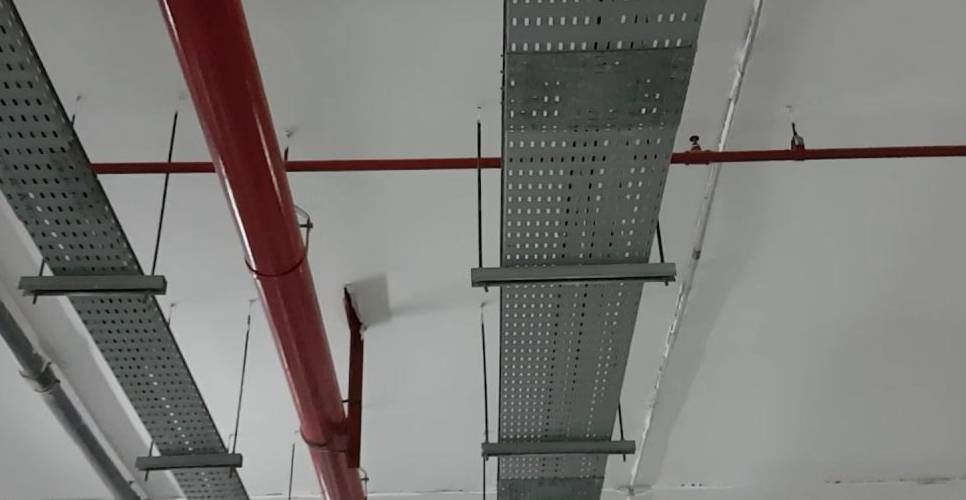
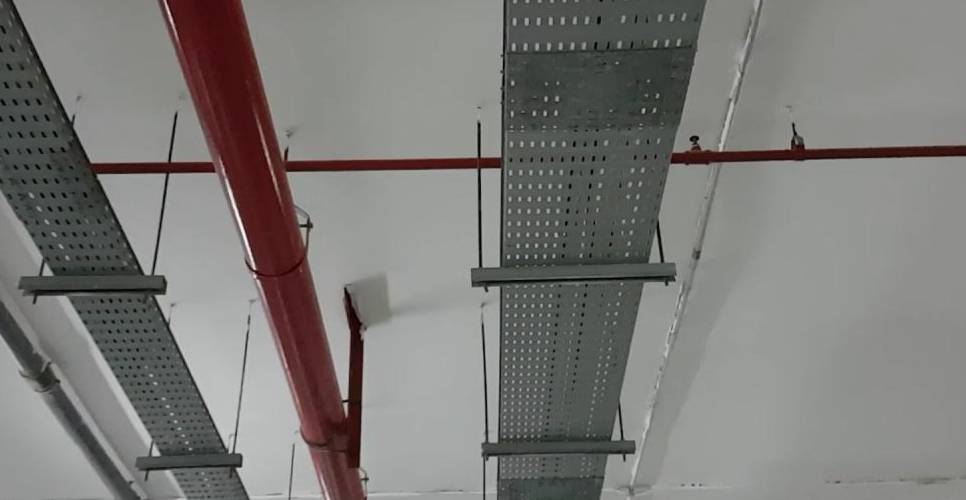

In the UAE’s rapidly expanding built environment, accurate Bill of Quantities (BOQ) preparation for cable management components is fundamental to project profitability and delivery credibility. With the scale of infrastructure, commercial developments, data centres, industrial plants, and mixed-use facilities rising across Dubai, Abu Dhabi, and the broader GCC, even marginal miscalculations in cable management BOQs can escalate into significant cost overruns and schedule delays. As experienced cable tray manufacturers In UAE, we have observed how early specification and quantity errors directly influence downstream procurement and installation costs.
We engage with owners, MEP contractors, and project managers early in design and procurement phases precisely because cable management planning is frequently underestimated. Incomplete scope definition, incorrect unit rates, and inaccurate cable route assumptions are among the leading causes behind BOQ shortfalls. These inaccuracies surface as variations during implementation, eroding project budgets and affecting contractor margins.
This article outlines common BOQ mistakes specific to cable management, explains their impact on project costs and schedules, and provides a structured guide to help contractors avoid unnecessary financial exposure. The insights below reflect field experience in UAE environments, where regulatory standards, climatic demands, and high-density cabling requirements intensify the consequences of specification errors.
Why BOQ Accuracy Matters In Cable Management
Cable management systems represent a significant portion of electrical and MEP scopes, especially in projects with dense cabling requirements from structured data networks to power distribution grids. They include trays, ladders, containment supports, termination accessories, routing hardware, and, increasingly, integration support for building automation and data infrastructure.
Inaccurate BOQs lead to:
- Budget overruns due to variations and change orders
- Delays caused by material shortages or procurement backlogs
- Quality compromises where value engineering sacrifices specification fidelity
- Contractual disputes between stakeholders over scope clarity
A common indicator of BOQ failure is frequent variation orders against cable management items during execution, a sign that initial quantities, product selections, or route assumptions were flawed.
Common Cable Management BOQ Mistakes In UAE Projects
1. Insufficient Route Definition And Quantity Take-Off Errors
Accurate cable route mapping is the foundation of a reliable BOQ. Yet many contractors prepare quantity take-offs based on early design drawings that do not reflect the installed conditions. In practice:
- As-built changes in riser locations
- Additional penetration points for HVAC or plumbing
- Last-minute telecom or fire alarm routing
- Revisions in ceiling services layout
These factors expand tray lengths, support requirements, and termination points all of which drive quantity increases. Without detailed coordination models, initial BOQs often underestimate the actual linear metres and accessories required.
2. Inconsistent Use Of Specification Standards
Cable containment systems must meet structural load, fire resistance, and corrosion protection criteria, especially in environments such as coastal cities or industrial facilities. A BOQ generated with generic or borrowed specifications can result in:
- Under-specified trays or supports
- Mismatched accessory counts
- Omission of firestop systems at penetration points
For example, where high-density service corridors require a ladder cable tray configuration for load-bearing performance, failure to reflect the correct system type in the BOQ alters both material cost and installation labour.
Contractors should ensure that BOQs reference the correct standards and corresponding product ratings.
3. Misapplication Of Unit Rates And Measurement Rules
Some BOQs apply unit rates that do not reflect the complexity of cable management systems. Common measurement issues include:
- Charging linear metre rates for trays without factoring support, dropouts, bends, or accessories
- Incorrectly aggregating horizontal and vertical runs
- Applying flat rates for specialised components like expansion joints or fire-rated containment
Contractors need clear measurement rules that define how each component is quantified, including allowances for accessories and support hardware. A linear metre of tray is not a complete scope item; it carries embedded quantities of fixings and brackets.
4. Overlooking Accessory And Support Requirements
Accuracy in cable routing includes not only main paths but also the smaller elements that make installations complete:
- Bends, offsets, and tees
- Dropouts to equipment racks
- Support brackets and hangers
- Firestopping at compartment boundaries
Failure to itemise these elements results in last-minute procurement requests and price escalations. UAE projects often specify high-quality fixings and firestop materials due to climatic and regulatory pressures. BOQs that omit these costs expose contractors to unforeseen expenses.
Strategies To Improve BOQ Accuracy
1. Early Coordination And Detailed Route Audits
BOQ preparation should begin with comprehensive route audits informed by the latest architectural, structural, and MEP drawings. Cross-discipline coordination reduces clash risks and improves route reliability.
2. Standardised Measurement Rules
Adopting clear measurement protocols ensures consistency across trades and packages. Define how trays are measured, how accessories are counted, and how vertical installations differ from horizontal runs.
3. Specification Alignment With Local Conditions
In the UAE’s climate, containment systems must resist corrosion, maintain fire integrity, and support expansion allowances. BOQs should be aligned with product specifications that address these conditions.
4. Allowance For Contingency And Growth
A disciplined BOQ does not ignore uncertainty. It builds in allowances for unforeseen routing complexity and future expansion provisions.
Cable management BOQ accuracy is not a theoretical concern; it has direct implications for project profitability, schedule integrity, and contractual clarity. In UAE projects where climatic conditions and code requirements intensify system demands, underestimating routing complexity or containment components can erode margins quickly.
At West Port, we emphasise that a precise BOQ is built on verified routes, aligned specifications, and disciplined measurement rules. When contractors adopt these principles, they reduce cost overruns and support predictable project outcomes.