
Dubai Towers Cable Route Planning: Civil Defence Compliance Checklist For Cable Management
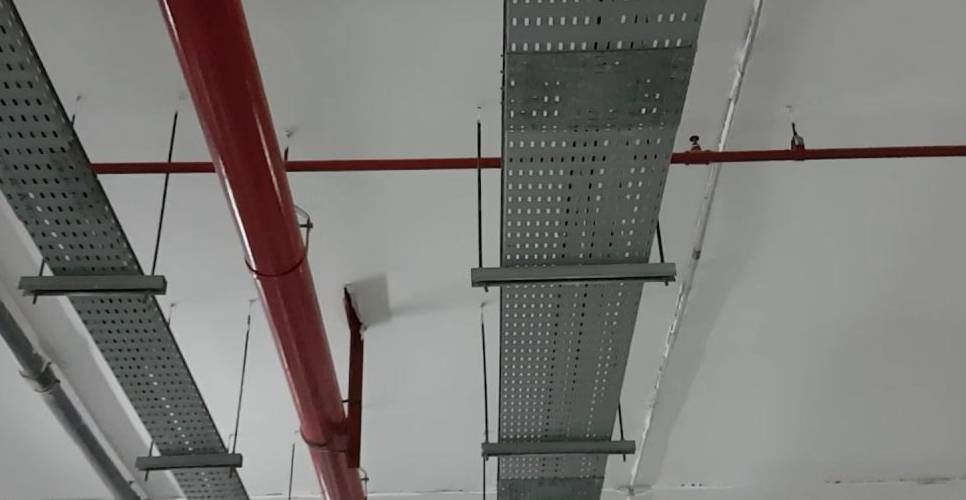
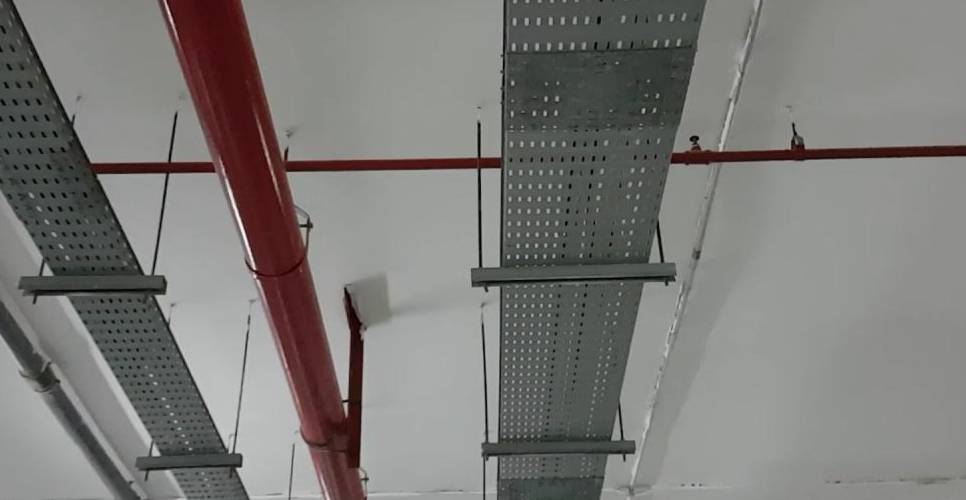

Dubai’s skyline has transformed dramatically over the years, with towers rising higher and projects growing more complex. From residential high-rises to commercial hubs and large hospitality developments, vertical construction now shapes the city’s identity. In these buildings, electrical and life-safety systems are highly concentrated within limited vertical shafts and service corridors. Cable management, therefore, becomes a structural and regulatory responsibility rather than a supporting installation activity. As one of the established cable tray suppliers in Dubai, we recognize that containment strategy directly influences inspection outcomes and long-term system resilience.
We engage with contractors and consultants during planning stages because Civil Defence compliance is not achieved at the inspection phase; it is built into the routing strategy from day one.
Dubai Civil Defence (DCD) regulations place strict emphasis on fire containment, system continuity, and structural integrity of electrical infrastructure. Failure to align cable routing with these expectations leads to inspection delays, rework costs, and, more critically, safety vulnerabilities.
The Compliance Environment In Dubai
The UAE continues to strengthen fire safety enforcement across residential and commercial assets. Civil Defence inspections in high-rise buildings now evaluate not only fire suppression systems but also supporting infrastructure such as containment systems, penetration seals, riser integrity, and documentation records.
- Electrical containment systems must demonstrate:
- Mechanical load reliability
- Fire resistance performance
- Proper segregation of critical services
- Documented installation compliance
Cable trays and ladders are not neutral hardware; they are evaluated as structural contributors to system safety.
Compliance Checklist For High-Rise Cable Route Planning
1. Early Coordination With Fire Zoning Strategy
Cable routing must align with building fire compartmentation plans. This includes understanding:
- Fire-rated wall divisions
- Riser shaft classifications
- Smoke extraction pathways
- Escape route protection
Routing decisions taken without fire zoning coordination often require retroactive correction. In high-rise towers, vertical shafts must preserve fire integrity without compromising cable capacity expansion.
2. Selection Of Fire-Rated Containment Systems
Civil Defence scrutiny increasingly focuses on support systems during fire exposure. Containment must maintain structural stability long enough to prevent collapse of emergency circuits.
For high-rise towers, this requires:
- Properly rated steel tray and ladder systems
- Tested anchoring and support brackets
- Compliance with IEC and BS structural load standards
- Resistance to heat deformation
Material choice is critical. Inferior galvanization or inconsistent coating thickness accelerates corrosion in Dubai’s coastal humidity conditions, reducing long-term reliability.
3. Controlled Cable Segregation
In complex towers, multiple services share vertical and horizontal pathways. Civil Defence requires clear segregation between:
- Emergency power circuits
- Fire alarm cabling
- Data and telecom lines
- General power distribution
Improper segregation introduces both safety and signal interference risks. Dedicated tray pathways or partitioned containment systems are recommended to preserve circuit integrity during emergency events.
4. Firestop Integrity At Penetration Points
One of the most common compliance failures in tower inspections relates to cable penetrations across fire-rated slabs and walls.
Each penetration must:
- Be sealed using approved firestop materials
- Match the fire rating of the barrier it passes through
- Be clearly documented and photographed
Unsealed or improperly sealed penetrations compromise compartmentalization a critical concern in vertical structures.
5. Load Calculations And Expansion Planning
Cable density in Dubai towers increases significantly post-handover due to tenant modifications, telecom upgrades, and system enhancements. Designs must account for:
- Current installed load
- Projected future expansion
- Thermal buildup within confined shafts
Under-sized trays or overloaded systems not only violate engineering standards but may also attract regulatory objections during periodic inspections, particularly where cable tray and accessories selections were not originally aligned with anticipated expansion loads.
6. Environmental Resistance Considerations
- Dubai’s climate introduces specific stress factors:
- High ambient temperatures exceeding 45°C
- Coastal salinity in areas near the shoreline
- Sand and dust accumulation within open shafts
Containment systems must resist corrosion and structural weakening over extended service life. Hot-dip galvanization and appropriate coating thickness are not aesthetic preferences; they are durability requirements.
7. Documentation And Inspection Preparedness
Civil Defence compliance is evidence-driven. Project teams should maintain:
- As-built routing drawings
- Product certification documents
- Load calculation sheets
- Firestop material approvals
- Installation inspection logs
Well-organized documentation shortens approval timelines and demonstrates engineering accountability.
The Operational Impact Of Proper Planning
When cable route planning aligns with Civil Defence expectations from the outset, projects benefit from:
- Reduced inspection delays
- Lower rework costs
- Improved safety credibility
- Stronger long-term system resilience
In high-rise environments, where evacuation logistics and emergency response depend heavily on electrical system continuity, containment reliability becomes mission-critical.
At West Port, our approach centers on providing containment systems that meet structural performance requirements while supporting regulatory compliance in demanding vertical environments. We work with project teams to ensure that cable routing strategies are not reactive corrections, but engineered solutions.
Dubai towers represent complex engineering ecosystems. Cable management within these structures must be treated as a compliance-driven infrastructure system rather than a secondary installation activity. By integrating fire zoning coordination, material integrity, load planning, environmental resistance, and documentation discipline, developers and contractors can meet Civil Defence standards confidently and consistently