
Platforms in the Cool Season: Using Winter Windows to Combat Cable Tray Corrosion Before UAE Summer
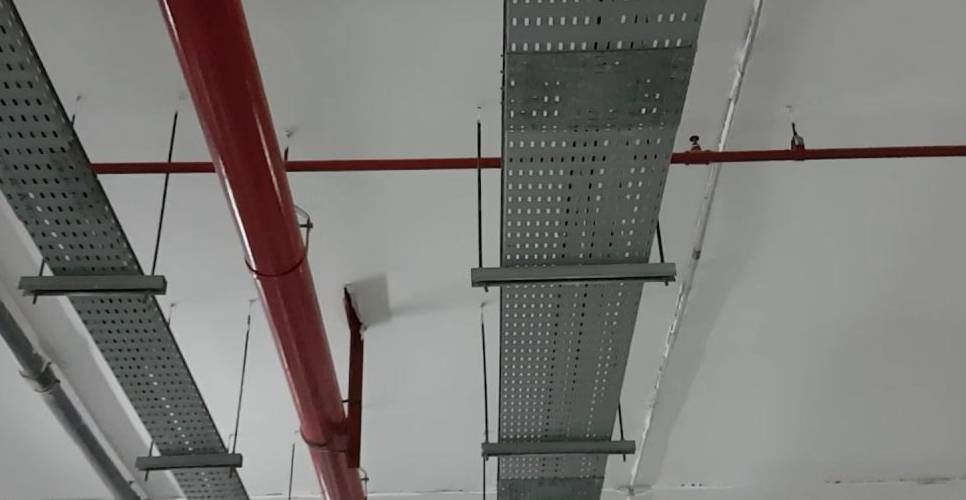
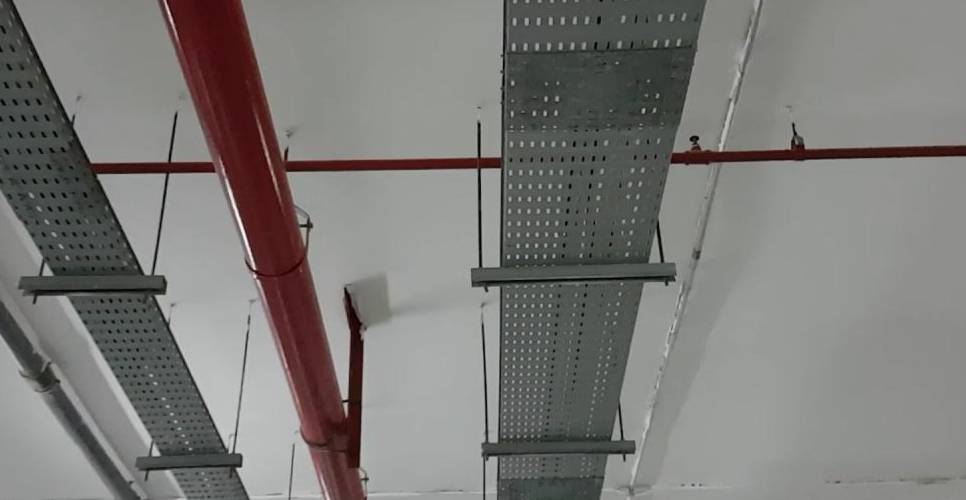
The UAE’s industrial landscape depends on thousands of kilometres of power and control cables running through trays on rooftops, pipe racks, tunnels and offshore platforms. For most of the year, teams are busy simply keeping production going. Yet many of the problems that cause mid-summer failures actually begin months earlier, in the quiet, cooler period between December and February. That “off-season” has become the most strategic time to confront one of the most stubborn threats to reliability: corrosion of cable tray systems.
Corrosion does not announce itself with alarms. It starts as a faint discoloration at a cut edge, a small blister under a coating, a patch of rust where condensation collects before sunrise. Left alone, these minor defects turn into loss of metal thickness, reduced load capacity, loosening of fixings and, in extreme cases, collapse of supports or damage to live cables. In a climate where ambient temperatures can approach 50°C in summer, any reduction in cross-section or protective coating accelerates the process.
Winter As A Maintenance Window, Not A Dead Season
For many facilities, winter has traditionally been treated as a slower time when projects are postponed until after Ramadan or the next budget cycle. A more analytical view treats the cool season as a maintenance window with three clear advantages. First, site temperatures are safer for extended work at height. Second, thermal expansion of steel is reduced, so misalignment and distortion can be assessed more accurately. Third, production schedules often allow partial shutdowns without major revenue loss.
As a result, more operators now schedule detailed inspections of trays, supports and earthing connections during the cool months. Some work with established cable tray manufacturers in uae to compare the original design assumptions with actual field performance, revisiting load calculations, material grades and coating systems in light of what has been observed over several summers.
How UAE Climate Accelerates Corrosion
From a corrosion-engineering perspective, the Gulf environment is unusually aggressive. Saline dust carried inland from the coast can settle on trays dozens of kilometres from the shoreline. Night-time humidity in winter frequently approaches saturation, so moisture films remain on steel for several hours each day. When this is combined with industrial pollutants from flares, traffic or process gases, the result is a thin but highly conductive electrolyte.
Field data from regional plants often show that unprotected carbon steel exposed outdoors can lose more than 100 microns of thickness in just a few years. Even hot-dip galvanized trays, which perform well in many climates, require careful detailing at cut edges and bolted joints to maintain their expected service life. Stainless steel and FRP perform better, but their higher capital cost means they are usually reserved for the harshest zones.
Focusing On The Weak Links In Cable Tray Systems
Experience across refineries, desalination plants and high-rise developments shows that corrosion rarely appears uniformly. It concentrates at weak links: poorly drained horizontal runs, low points where rainwater collects, joints between dissimilar metals, damaged coatings around field cuts, and aging cable tray accessories such as brackets or splice plates that were never upgraded when the main runs were replaced.
A systematic winter inspection therefore focuses on these locations. Teams walk each route with a simple checklist: visual rust rating, coating condition, mechanical damage, clearance from other structures and evidence of overloading. In many facilities, even this relatively low-tech survey reveals that 10–20% of supports require some level of corrective action, from cleaning and touch-up painting to full replacement of sections.
Turning Winter Inspections Into Data
What distinguishes a modern, academically informed approach from traditional “walk-through” maintenance is the use of data. Corrosion findings are logged with GPS tags, photographs and measured loss of metal where possible. Over several seasons, this creates a map of corrosion rates by zone: coastal vs. inland, shaded vs. exposed, process area vs. utility corridor.
With this information, engineers can prioritise reinforcement budgets, selecting thicker coatings or different alloys for the fastest-deteriorating segments while avoiding unnecessary cost in benign areas. Some organisations now link inspection records with asset management systems, assigning each tray a predicted remaining life and scheduling replacement before risk becomes unacceptable.
Designing For The Next Summer
Winter also offers time to rethink design philosophy. Lessons learned from past failures can be built into new projects: increasing tray height for better ventilation, improving drainage, adding drip shields under aggressive process lines, or standardising on accessories that minimise crevices where moisture can sit. In high-risk areas, engineers may specify sealed instrumentation trays or FRP systems to eliminate corrosion almost entirely.
Procurement strategies change as well. Instead of buying solely on lowest unit price, asset owners evaluate total life-cycle cost, including inspection, recoating and potential downtime. In that context, high-quality systems from reliable suppliers gain a clear advantage, even when initial quotations appear higher.
Building A Culture Of Seasonal Planning
Ultimately, using the cool season as a platform for corrosion control is as much a cultural shift as a technical one. It requires planners to accept that the real preparation for UAE summer begins months earlier, when the weather is comfortable and failures are still merely potential. It asks maintenance teams to move from reactive repair to predictive intervention, guided by observation and analysis rather than emergency calls.
When that mindset takes hold, cable trays stop being a hidden source of risk and instead become well-managed assets. The cool season turns into a deliberate, structured campaign: inspect, analyse, reinforce, redesign where necessary. By the time temperatures climb again, the network of trays across rooftops, tunnels and pipe racks is no longer waiting to fail; it is ready to carry the load of another demanding UAE summer with confidence.